
In today’s digital world, local SEO has become one of the most powerful strategies for small and medium-sized businesses. Whether you run a dental clinic, a restaurant, or a web development company, optimizing your business for local searches helps you attract nearby customers and improve your online visibility. In this detailed guide by Ad Sparks, we’ll explain how to set up local SEO from scratch and make your business stand out in local search results.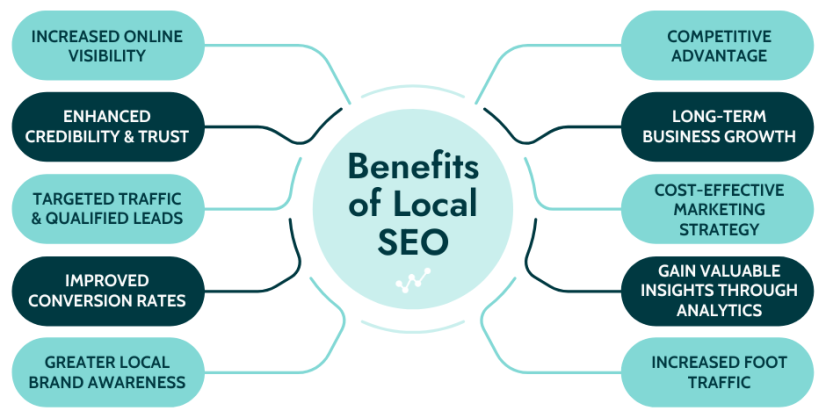
1.What is Local SEO?
Local SEO (Search Engine Optimization) is the process of optimizing your website and online profiles to attract local customers from search engines like Google. When people search for services like “dentist near me” or “web development company in Sheffield,” Google shows them businesses nearby that are optimized for local searches.
For example, Dental SEO Sheffield helps dental clinics in Sheffield appear in local search results when users look for dental services in that area.
Local SEO is essential because it increases foot traffic, generates qualified leads, and builds trust among your target audience.
2.Why Local SEO is Important for Businesses
No matter what industry you belong to — from web development to healthcare — local SEO ensures that your potential customers can find you easily. Here’s why it’s so crucial:
- Increased visibility: Your business appears in Google Maps and the “local pack.”
- Higher conversions: Local users are more likely to visit or call your business.
- Competitive edge: Many local businesses still ignore local SEO, so it’s your chance to dominate.
- Build trust: Showing up in local search results improves brand credibility.
At Ad Sparks, we’ve seen local SEO dramatically improve client engagement and sales within just a few months of implementation.
3.Step 1 – Create and Optimize Your Google Business Profile
Your Google Business Profile (GBP), previously known as Google My Business, is the foundation of local SEO.
How to Set It Up:
- Go to Google Business Profile.
- Add your business name, category, and location.
- Include accurate contact details (NAP — Name, Address, Phone number).
- Add high-quality images and descriptions.
- Encourage satisfied customers to leave reviews.
Make sure your information is consistent across all online platforms. For example, if your brand name is Ad Sparks, the same name should appear on your website, social media, and directories.
4.Step 2 – Optimize On-Page SEO for Local Results
After setting up your Google Business Profile, the next step is optimizing your website for local SEO.
Key Points:
- Include your city or region in meta titles, descriptions, and headers.
- Add schema markup (LocalBusiness schema) to help Google understand your location.
- Create location-specific landing pages (e.g., “Dental SEO Sheffield” or “Web Development Services in Sheffield”).
- Optimize your website for mobile users — most local searches happen on smartphones.
The Ad Sparks web development team always emphasizes building SEO-friendly websites that load fast, are mobile-responsive, and use optimized URLs for local ranking.
5.Step 3 – Build Local Citations and Backlinks
Citations are mentions of your business name, address, and phone number on other websites. Having consistent citations helps Google verify your business’s authenticity.
Best Practices:
- List your business on local directories (Yelp, Bing Places, Yellow Pages, etc.).
- Get backlinks from local blogs, news websites, and community portals.
- Collaborate with nearby businesses for guest posts or promotions.
For instance, a dental clinic in Sheffield could collaborate with a local web development company like Ad Sparks to exchange backlinks and improve both businesses’ visibility.
6.Step 4 – Collect and Manage Customer Reviews
Reviews are powerful trust signals in local SEO. Positive reviews not only attract more customers but also improve your Google ranking.
Tips:
- Politely ask happy customers to leave reviews on Google.
- Respond to all reviews, both positive and negative, in a professional tone.
- Showcase your top reviews on your website or social media.
Remember, Google favors businesses that engage actively with their customers.
7.Step 5 – Use Localized Content Strategy
Content plays a key role in ranking your site locally. Write blogs, articles, and guides that focus on your city, community, and niche.
Example ideas:
- “Top Dental Care Tips in Sheffield”
- “Best Web Development Trends for Local Businesses”
Including keywords like local SEO, web development, and Dental SEO Sheffield naturally within your content helps search engines connect your business to relevant local searches.
8.Step 6 – Track and Improve Your Local SEO Performance
Once your local SEO setup is complete, it’s important to measure its success. Tools like Google Analytics, Google Search Console, and Google Maps Insights show how users find and interact with your business online.
Key Metrics to Monitor:
- Local keyword rankings
- Clicks and calls from Google Maps
- Organic traffic from nearby cities
- Customer engagement rate
At Ad Sparks, we regularly audit and update our clients’ local SEO strategies to maintain long-term growth and visibility.
Final Thoughts
Setting up local SEO is not a one-time task — it’s an ongoing process that builds your business’s reputation and reach within your community. Whether you run a web development company or a dental clinic in Sheffield, following these steps ensures better visibility and more customers.
By combining effective local SEO techniques with strategic web development, Ad Sparks helps businesses dominate local search results and turn online visitors into loyal customers.